


6 Voiceflow Alternatives for Better AI Voice Agents in 2026


Many teams outgrow Voiceflow due to pricing limits and call constraints, so I tested the top Voiceflow alternatives to see which tools offer better value and capabilities. Here are the six that delivered the best results.
6 best Voiceflow alternatives: At a glance
I compared pricing, setup effort, and how well each tool replaces Voiceflow for support, phone, and automation workflows. Here is how they stack up side-by-side:
Let’s now explore them in detail.
1. Lindy: Best overall for voice and workflow automation
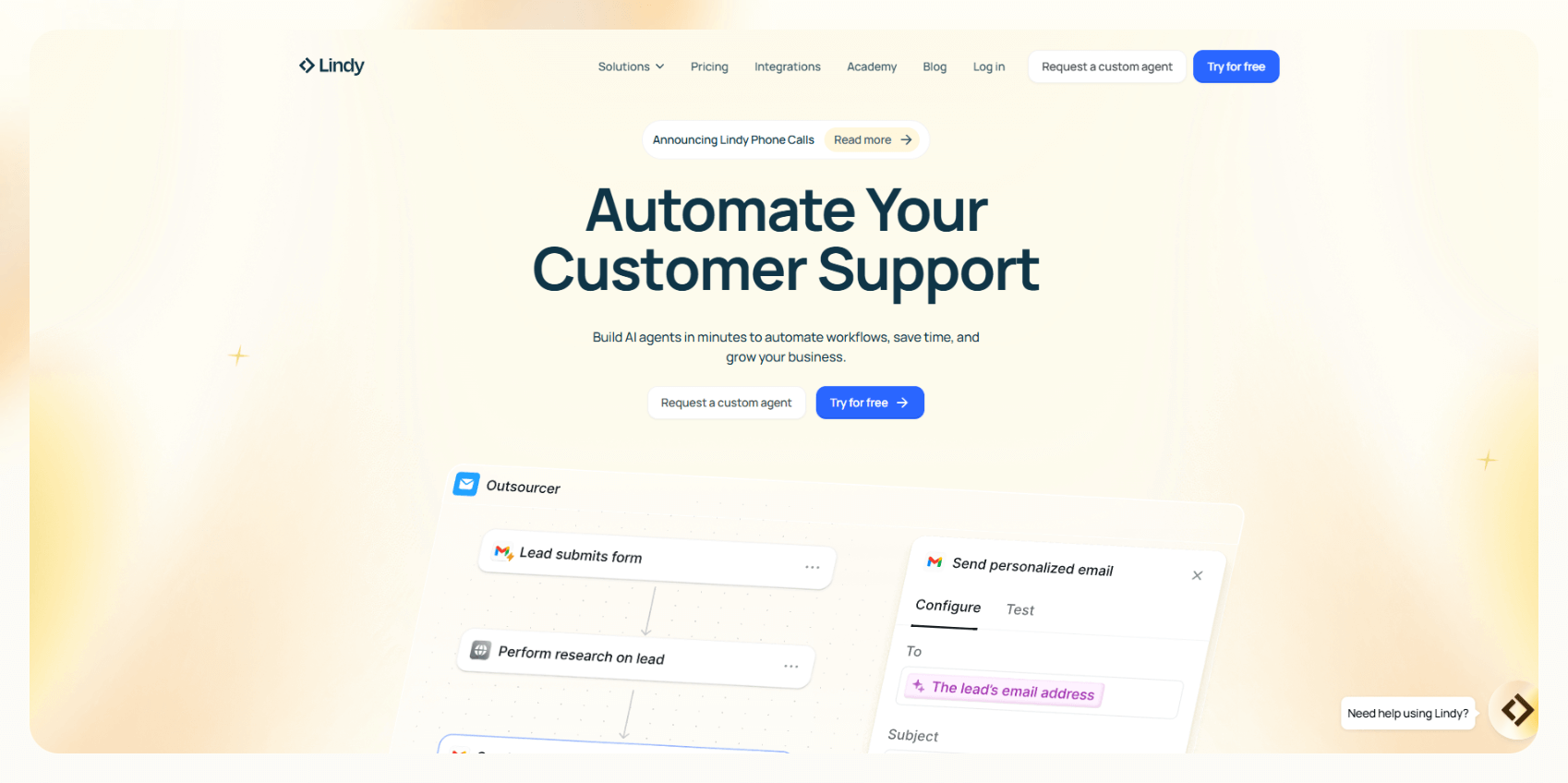
Lindy is an AI agent builder that helps teams create voice, chat, and workflow agents without code. It supports tasks like scheduling, CRM updates, email actions, document processing, and phone calls.
I tested the AI agents by running inbound phone calls, routing conversations, and triggering follow-up actions like CRM updates and scheduling. This way, I could easily compare it with Voiceflow’s chat and voice capabilities.
It works well for support teams, operations, and sales teams because it can run conversations and complete follow-up steps without extra tools.
Why it beats Voiceflow
- It can handle complete workflows after the conversation ends. Voiceflow can run a chat or phone interaction, but Lindy can update CRMs, summarize documents, write follow-ups, and process PDFs in the same flow.
- Lindy supports AI phone numbers, which helps teams that run busy phone lines or handle overnight volume.
- You can connect 4,000+ apps to push data into calendars, CRMs, email clients, or databases without workarounds. This makes it easier to automate full operational loops.
- Lindy gives you multi-agent collaboration, so one agent can manage the call while another updates records or cleans data in the background.
Pros
- Easy-to-use visual workflow builder for non-technical users
- Ready-to-use and customizable templates for everyday workflows
- Works across voice, chat, email, and other business apps
- Human-in-the-loop control for edge cases and complete oversight
- SOC 2 and HIPAA compliance for privacy-focused and regulated industries
Cons
- Multi-step workflows take some time to design
- Unlimited concurrent calls are only available on the Enterprise plan
Pricing
- Free plan with up to 40 tasks/month
- Paid plans from $49.99/month, billed monthly
- AI phone numbers cost $10/number/month
Bottom line
Lindy works well for teams that want one platform for conversations and the tasks that follow. It fits support, sales, and operations teams that often hit Voiceflow’s channel and workflow limits.
{{templates}}
2. Vapi: Best for inbound and outbound calling
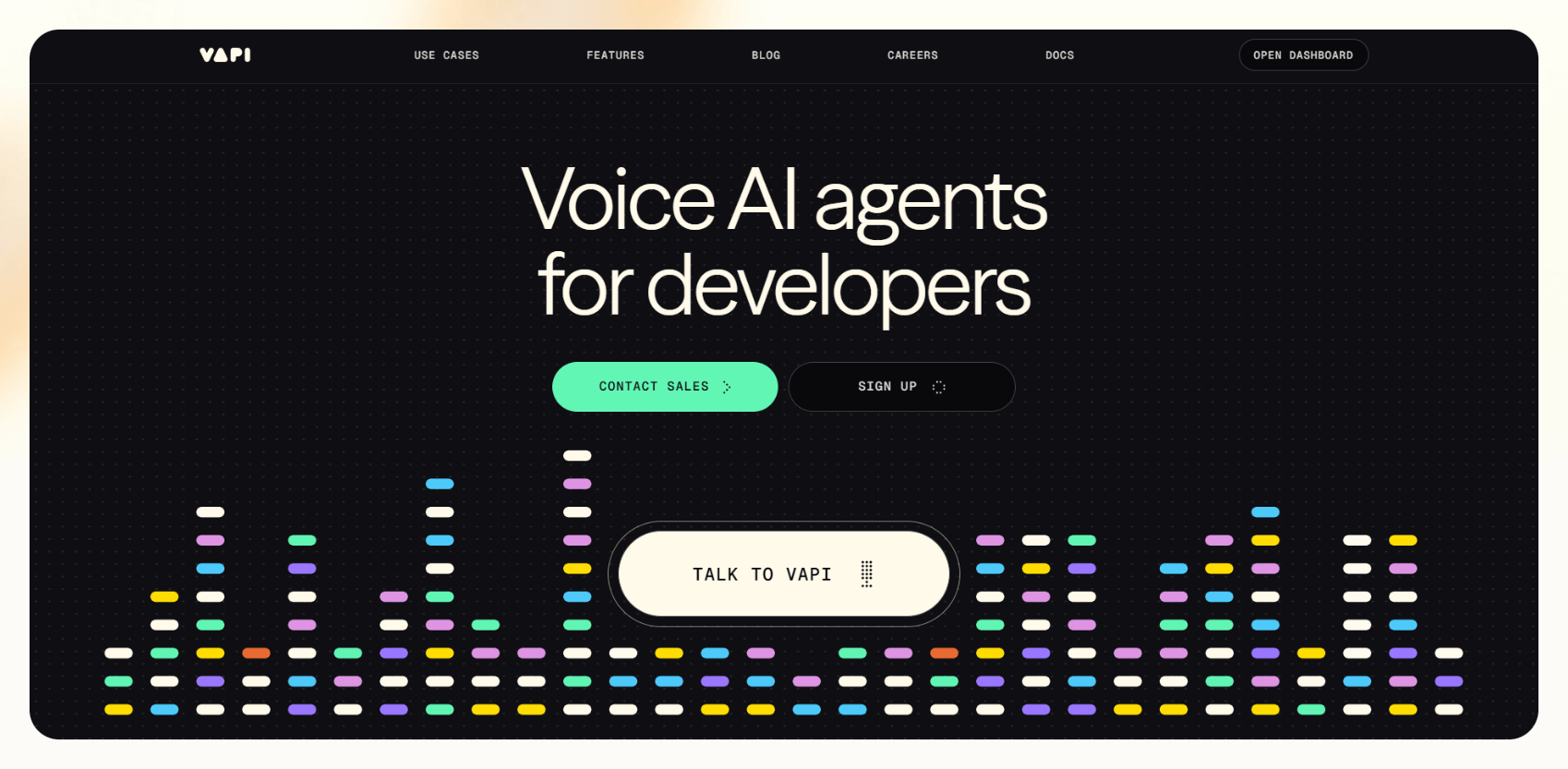
Vapi is a voice-focused AI platform that helps teams build phone agents for inbound and outbound calls. It gives developers strong control over call flow, audio quality, and routing logic.
I tested Vapi on support calls, follow-up sequences, and data collection tasks to see how well it handles live conversations.
Why it beats Voiceflow
- Vapi gives developers full control over call behavior, including silence detection, interruptions, pacing, and fallback logic.
- You get better outbound calling to run structured sequences, check call outcomes, and trigger follow-ups without patching together multiple tools.
- Vapi supports custom model choices for transcription and LLM responses, letting you adjust cost, speed, and accuracy for different call types.
- It offers analytics that break down every call with timestamps, user intent shifts, and latency details.
Pros
- Flexible API for custom phone workflows
- Supports different speech and model providers
- Clear call analytics for testing and iteration
Cons
- Requires developer support for most setups
- Pricing varies based on speech models and minutes
Pricing
- Starts free with a $10 credit
- Usage-based pricing from $0.05/minute platform fee, pay-as-you-go
- SMS or chat costs $0.005/message
- Model provider costs for telephony, ASR, and TTS, depending on your model
Bottom line
Vapi fits teams that rely on phone calls and want more control than Voiceflow offers. It works well when you need custom routing, structured outbound sequences, or fine-tuned audio behavior.
3. Manychat: Best for social media marketing
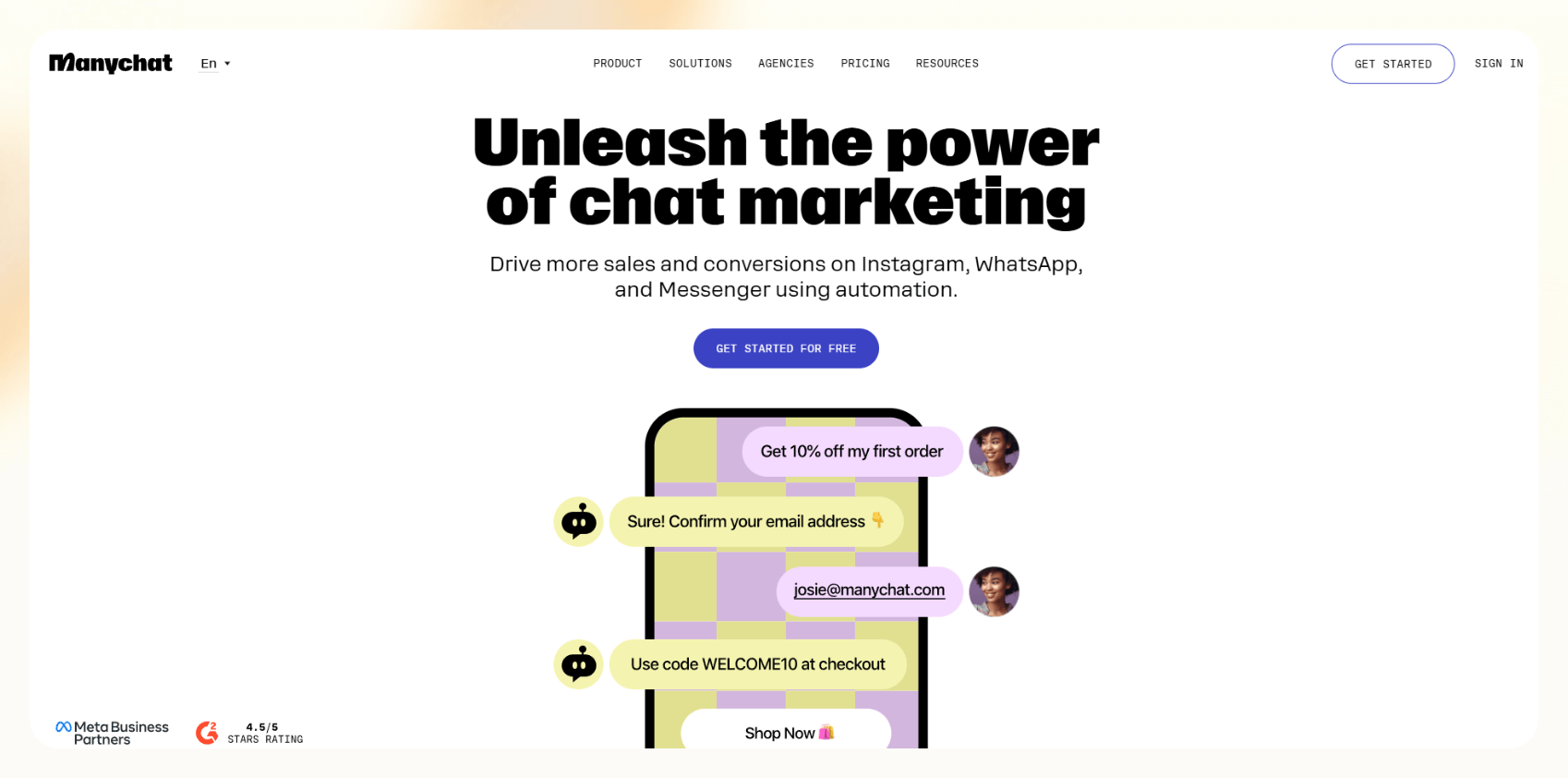
Manychat is a chat automation platform for Instagram, Facebook Messenger, WhatsApp, and SMS. It helps marketers build DM flows, run comment automations, collect leads, and send broadcasts without touching code.
I tested Manychat on Instagram and WhatsApp campaigns to see how fast I could build flows and connect them to real audience actions.
Why it beats Voiceflow
- Manychat connects natively with Instagram and Facebook, which Voiceflow doesn’t offer. You can automate interactions when someone replies to a story, comments on a post, or sends a DM without complex setup.
- You can launch broadcast campaigns across Meta channels with Manychat. You can schedule drops, deliver gated content, and segment users based on tags and past behavior. Voiceflow does not manage campaigns at this level.
- The builder is easy to use for marketers, letting you build funnels with replies, conditions, and tags in minutes. Voiceflow requires more conversation design thinking, which slows down quick-turn social campaigns.
- Manychat has purpose-built templates for giveaways, lead magnets, and drip sequences, which help teams launch tests fast.
Pros
- Instagram, Facebook, and WhatsApp support out of the box
- Simple builder that works well for campaign-style flows
- Strong segmentation and tagging for audiences
Cons
- Limited for deep backend workflows
- Multi-language support takes extra setup
Pricing
- Starts free with limited features
- Paid plans from $15/month, billed monthly
Bottom line
Manychat fits teams that run social funnels and want quick results. If your growth lives inside Instagram or WhatsApp, Manychat offers more native automation than Voiceflow and handles day-to-day DM tasks with less effort.
4. Front: Best for customer support workflows
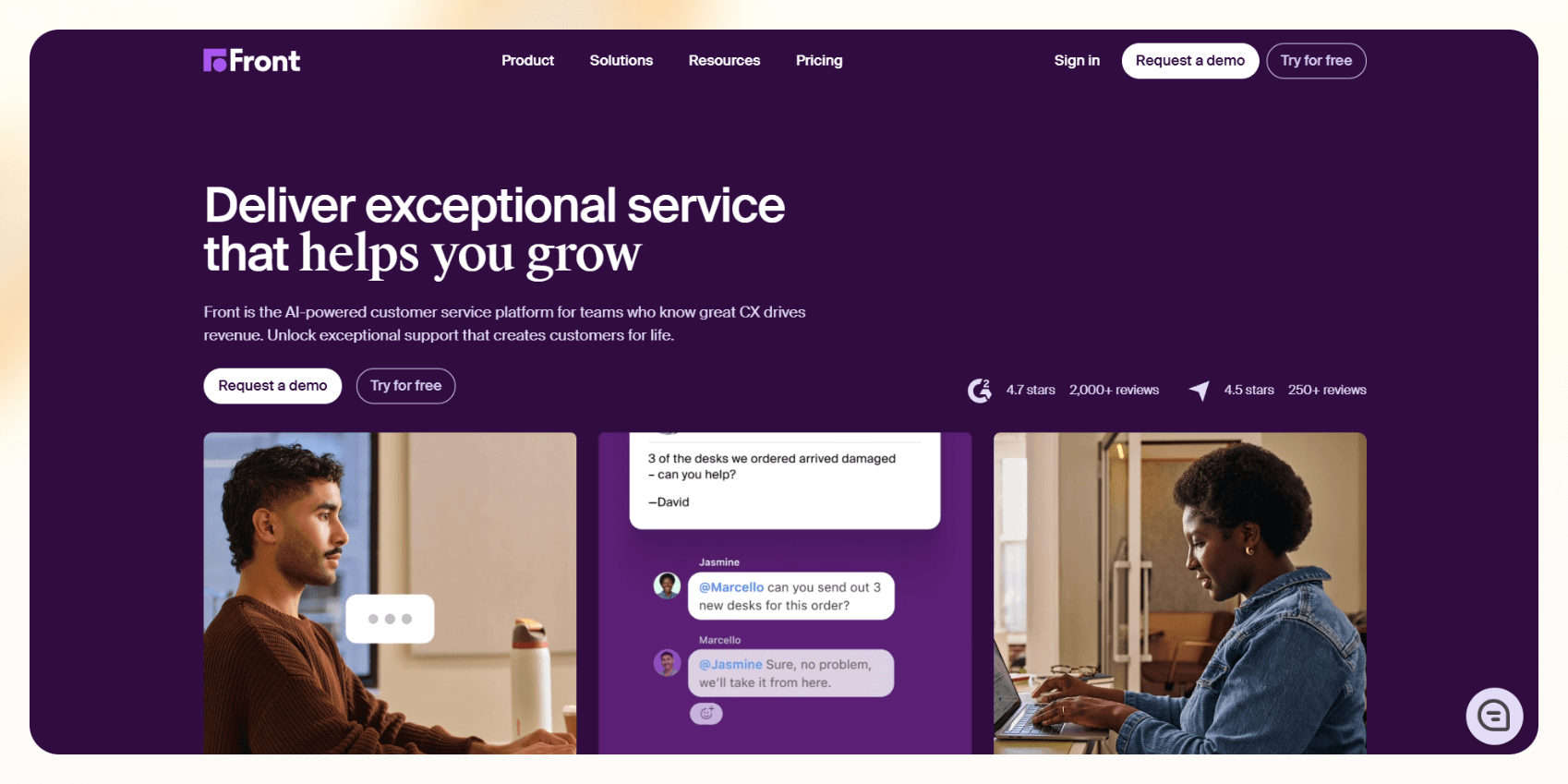
Front is a shared inbox platform that brings email, chat, SMS, and social messages into one workspace. It blends team inbox features with light automation and AI-assisted replies. I tested Front by routing support emails, tagging conversations, and running response automations to see how well it handled real support volume.
Why it beats Voiceflow
- Front gives teams a single inbox for all support channels, while Voiceflow focuses on conversational agents. So, you may need extra tools for email, SMS, and shared team workflows.
- You can hand off tasks or information to humans without friction. For example, you can route conversations to teammates, escalate tricky cases, and keep context in one place. Voiceflow requires separate systems to manage human support.
- Front tracks SLAs, workloads, and team performance. These metrics help teams find bottlenecks quickly. Voiceflow does not provide this type of operational visibility.
- You can collaborate easily with Front. Your teammates can see comments, assignments, and shared drafts, keeping them aligned during busy periods. Voiceflow agents cannot replace this type of team workflow.
Pros
- Central inbox for email, chat, SMS, and social channels
- Strong collaboration tools for support teams
- Helpful routing and tagging automations
Cons
- Price scales with team size
- Limited for building complex AI agents
Pricing
- No free plan available, only a free trial
- Paid plans from $35/seat/month, billed monthly
Bottom line
Front works well for support teams that manage high message volume across several channels. If your primary need is a shared inbox with automation and strong collaboration, Front gaps Voiceflow and delivers more value for daily support workflows.
5. Ada: Best for custom customer experience workflows
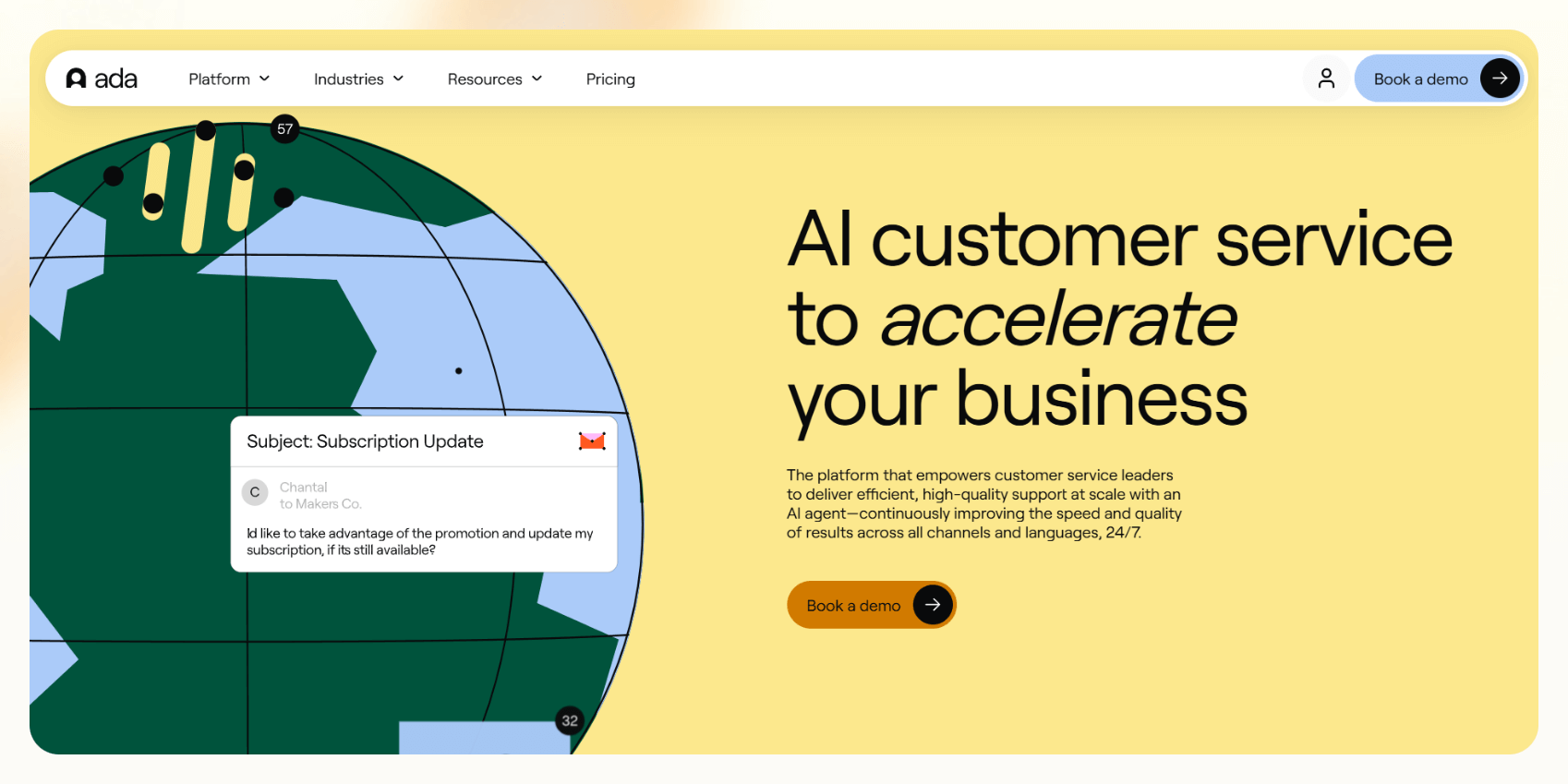
Ada is an enterprise-focused support automation platform that handles large volumes of customer questions across chat, web, mobile, and help centers. It uses intent models, routing logic, and integrations to resolve issues or move them to agents when needed.
Why it beats Voiceflow
- Ada offers stronger intent detection than Voiceflow. It can group related questions and predict user goals with more accuracy, which helps teams reduce manual routing. Voiceflow needs clear structure for complex support flows.
- You can integrate enterprise tools like Salesforce, Zendesk, and Genesys with ease. This makes it easier for teams to update tickets, log actions, and trigger workflows in systems that they already use.
- You can create rich support journeys that include authentication, secure lookups, and multi-step resolution paths with Ada. Voiceflow requires more custom work to match these flows.
Pros
- Strong enterprise integrations
- Reliable intent handling
- Stable performance at large scale
Cons
- No free plan or trial
- Setup and tuning take time
Pricing
- No public pricing
- Need to contact sales for a custom quote
Bottom line
Ada suits large support teams that need stable intent models, enterprise integrations, and consistent performance during busy periods. If you manage thousands of daily conversations and outgrow Voiceflow’s limits, Ada fits that scale.
6. Kore.ai: Best for complex enterprise automation
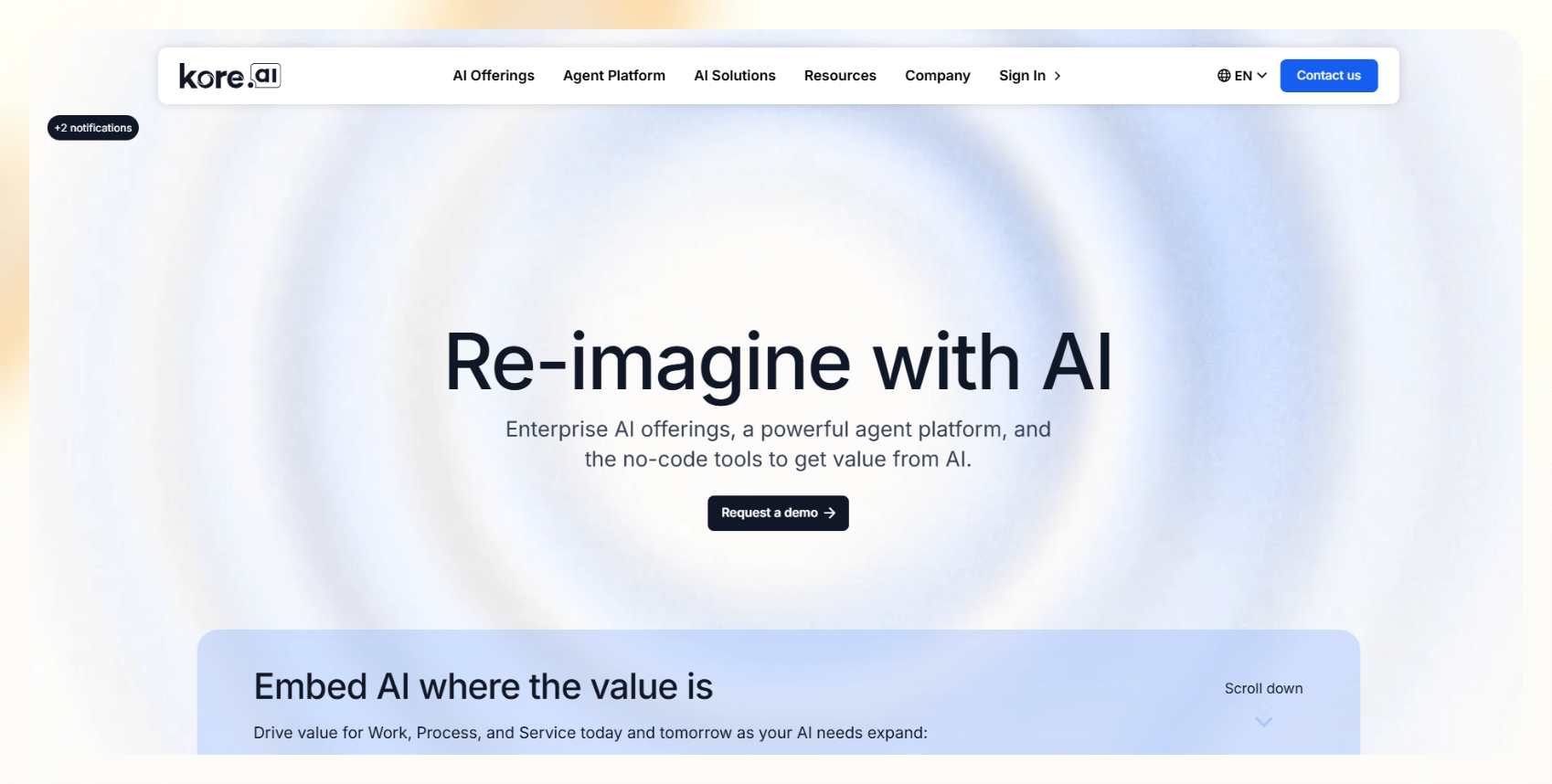
Kore.ai is a conversational AI platform for enterprises that need contact center automation, virtual assistants, and workflow orchestration. It supports voice, chat, and agent assist features and includes industry templates for banking, healthcare, retail, and telecom.
Why it beats Voiceflow
- Kore.ai gives enterprises structured industry packs that include intents, flows, and compliance steps. These templates help teams launch more complex journeys without writing everything from scratch. Voiceflow does not offer this level of specificity.
- You get stronger governance tools with Kore.ai. You can control user roles, manage environments, and audit changes across large teams. These controls matter when you run multiple assistants in regulated industries.
- Kore.ai integrates with enterprise telephony and CRM platforms, which makes it easier to connect the assistant to call routing, ticketing, and customer records.
Pros
- Multi-channel support for enterprises
- Industry-specific templates
- Strong governance and admin controls
Cons
- Takes time to set it up for complex projects
- Higher cost for full deployments
Pricing
- No free plan for trial
- Contact sales for a custom quote
Bottom line
Kore.ai works well for large enterprises that need automation and strict controls. If your team handles complex contact center tasks and needs tailored industry flows that Voiceflow cannot provide, Kore.ai will fit better.
Why I looked for Voiceflow alternatives
I started looking for Voiceflow alternatives when I began hitting limits around pricing, channel coverage, and automation depth. Voiceflow works well for simple chat and voice agents, but for workflows that need more flexibility across channels and back office tasks, it struggles.
Here’s what pushed me to look for alternatives:
High costs
Voiceflow only provides 15 concurrent calls on the Business plan ($150/month) before moving to the Enterprise plan. You’ll easily hit these caps, especially during busy periods. They make it hard to run support queues or outbound calls without upgrading plans.
Limited channel scope
Voiceflow focuses on chat and voice. My projects needed support for email style tasks, CRM updates, document handling, and scheduling. I used extra tools to fill those gaps, which added more steps and made the workflow harder to maintain.
Lack of automation depth
I needed agents who could complete tasks after a conversation ended. Voiceflow can call APIs, but it still centers on conversational flows. I needed a platform that could update records, process files, or trigger multi-step workflows inside other apps.
These gaps pushed me to test tools that offer better phone capabilities, richer workflows, or higher integrations, which led to the six alternatives above.
{{cta}}
How I tested these Voiceflow alternatives
I tested these Voiceflow alternatives by building small support, sales, and operations workflows to see how each tool handled real tasks. Here’s what I looked for:
- Automation depth: I checked how far each platform went beyond simple replies. I tested tasks like CRM updates, follow-ups, scheduling steps, and data handoffs.
- Channel support: I tested phone, chat, and social channels where available to see how smoothly each platform handled multi-channel work.
- Pricing clarity: I reviewed how each tool handled plans, usage, and seat costs so I could understand the long-term impact on teams.
- Ease of use: I paid attention to how fast I could build flows without extra setup. I also checked how much configuration each tool needed before going live.
- Integrations: I connected each platform to at least one CRM or productivity app to test how well data moved through the workflow.
This process helped me compare each tool’s strengths and understand where they outperform Voiceflow in daily work.
Which Voiceflow alternative should you choose?
The right alternative depends on how your team works and where Voiceflow feels limiting. Each of the six tools I tested fits a different use case. Here are a few scenarios to help you pick the right one:
Choose Lindy:
- If you want AI agents that can talk to customers and then complete follow-up tasks.
- If your support workflows span phone, email, chat, and other social channels.
- If you need workflow automation for tasks like lead generation, meeting scheduling, email follow-ups, and more.
- If you want multiple AI agents to collaborate and handle complex tasks
- If you belong to a regulated industry and need SOC 2 and HIPAA compliance
Choose alternatives like:
- Vapi if your work is phone-heavy and want control over call flows, outbound sequences, and audio behavior.
- Manychat if most of your engagement happens in Instagram, Facebook Messenger, or WhatsApp.
- Front if your team handles a lot of email, chat, and SMS volume and needs a shared inbox with automation.
- Ada if you run a large support operation in e-commerce, SaaS, gaming, or healthcare, and want strong intent detection and enterprise integrations.
- Kore.ai if you manage complex contact center workflows or work in regulated industries.
My final verdict
Voiceflow works well for teams that want a simple way to design chat and voice agents. It stays reliable for straightforward interactions, but it hits limits when you need deeper workflows, higher call volume, or more channels. That is where the alternatives make a clear difference.
Lindy stands out as the best overall option because it covers conversations and follow-up task automation in one place. Vapi is the strongest fit for phone-heavy work.
Manychat shines for social campaigns, while Front helps teams that manage large inboxes. Ada and Kore.ai make more sense for enterprise support and complex contact center environments.
If you match the tool to your workflow instead of treating them as interchangeable, the right alternative will outperform Voiceflow quickly and with less effort.
Try Lindy, the Voiceflow alternative for more than calling tasks
Out of all the Voiceflow alternatives, Lindy stands out for its conversational AI and automation capabilities. You can use prebuilt templates or create custom AI agents that help you with tasks around support, email, meetings, and sales.
Here’s why Lindy beats the Voiceflow alternatives:
- AI voice agents: Automate inbound and outbound calling workflows without writing code. Describe the calling workflow you need in natural language and Lindy will create it for you.
- Support in 30+ languages: Lindy’s phone agents support over 30 languages, letting your team handle calls in new regions.
- Handles high-volume requests without slowdown: Lindy handles any volume of requests and even teams up with other instances to tackle the most demanding scenarios.
- 24/7 agent availability for async teams: You can set Lindy agents to run 24/7 for round-the-clock support, perfect for async workflows or round-the-clock coverage.
- Drag-and-drop workflow builder for non-coders: You don’t need any technical skills to build workflows with Lindy. It offers a drag-and-drop visual workflow builder.
- Create AI agents for your use cases: You can give them instructions in everyday language and automate repetitive tasks. For instance, create an assistant to call leads from your CRM lead list. Create another agent that understands the response, sends emails to each lead, and schedules meetings with members of your sales team.
- Fast replies in your support inbox: Lindy answers customer queries in seconds, reducing wait times and missed messages.
- Free to start, affordable to scale: Build your first few automations with Lindy’s free version and get up to 40 tasks. With the Pro plan, you can automate up to 1,500 tasks, which offers much more value than Lindy’s competitors.
Frequently asked questions
What is Voiceflow?
Voiceflow is a no-code platform for building chat and voice agents. It helps teams design conversations, test flows, and launch simple assistants without writing code. It fits teams that want fast prototyping for support or sales use cases.
How much does Voiceflow cost?
Voiceflow costs $60/month for the Pro plan and $150/month for Business, billed monthly, with a free and an Enterprise plan also available.
What is the cheapest Voiceflow alternative?
Manychat is the cheapest Voiceflow alternative and costs $15/month. It fits teams that want social channel automation on Instagram, Facebook, or WhatsApp.
Which Voiceflow alternative has the best integrations?
Lindy has the best integrations and it connects with more than 4,000 apps, including HubSpot, Salesforce, Google Workspace, and other common business apps. It also offers support for APIs and webhooks to connect custom tools.
Which platform is best for enterprise-level AI automation?
Kore.ai and Ada are the best tools for enterprise-level AI automation. They support complex contact center workflows and offer strict admin controls. Lindy is also a good option if you want enterprise features at a lower cost and need agents that can handle chat, voice, and workflow tasks across your stack.







Blog
Related Articles
%2520(1).png)
%20(1).png)
%20(1).png)
.png)
%2520(1).png)
The AI assistant that runs your work life
Lindy saves you two hours a day by proactively managing your inbox, meetings, and calendar, so you can focus on what actually matters.
